Sara's Story
A 14-year-old dog's journey through Cushing's disease and all its challenges.
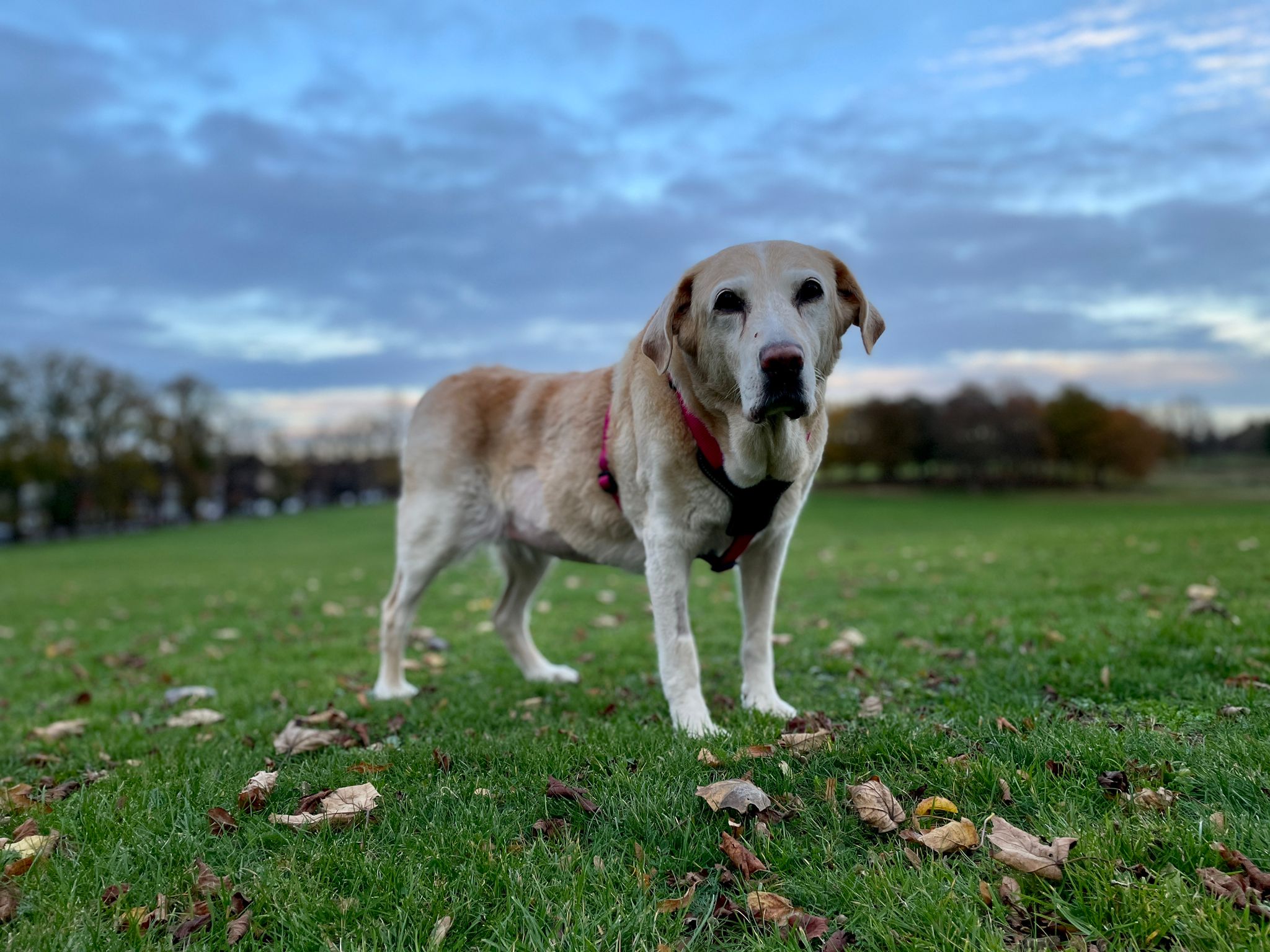
Who Is Sara?
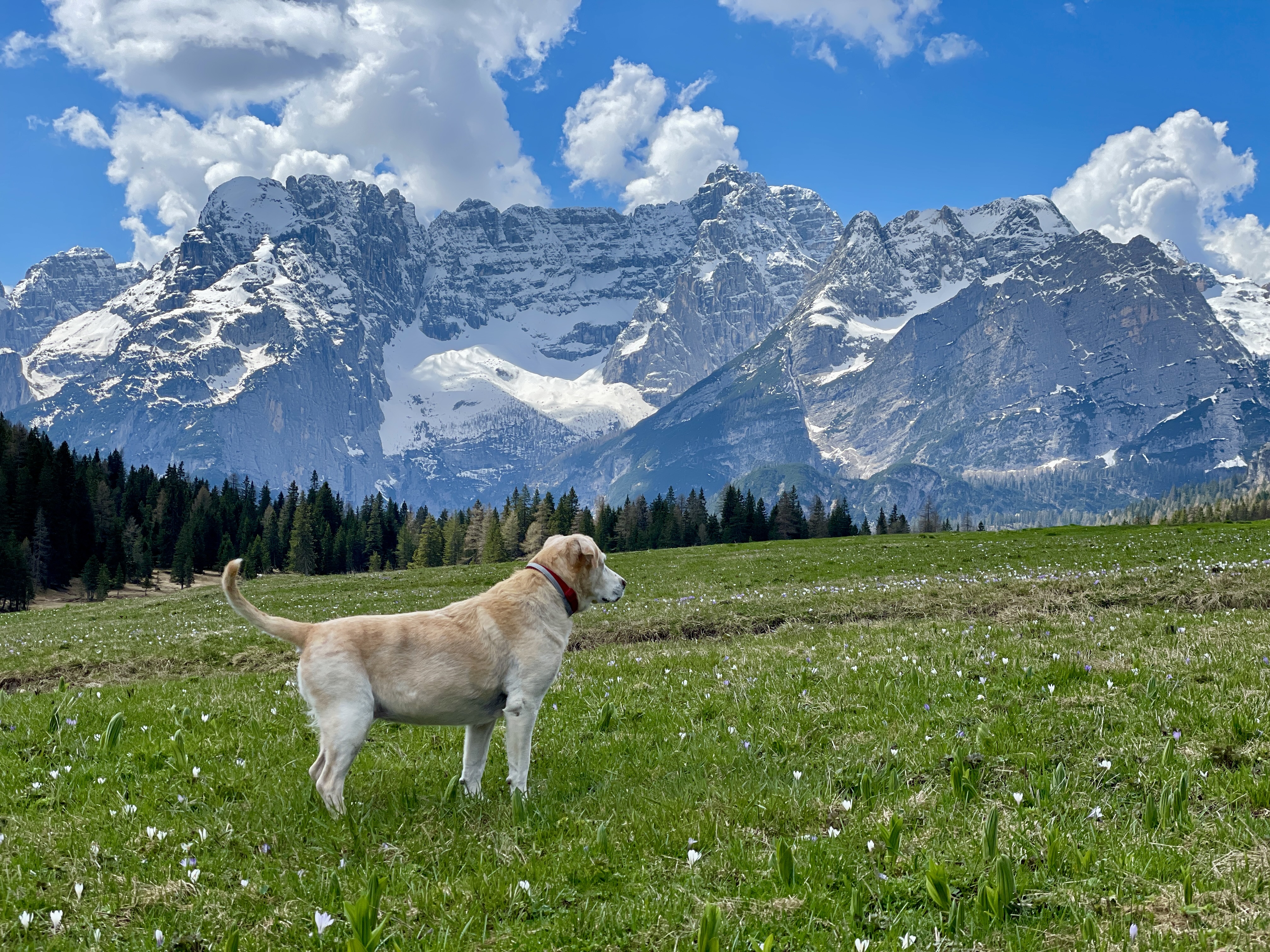
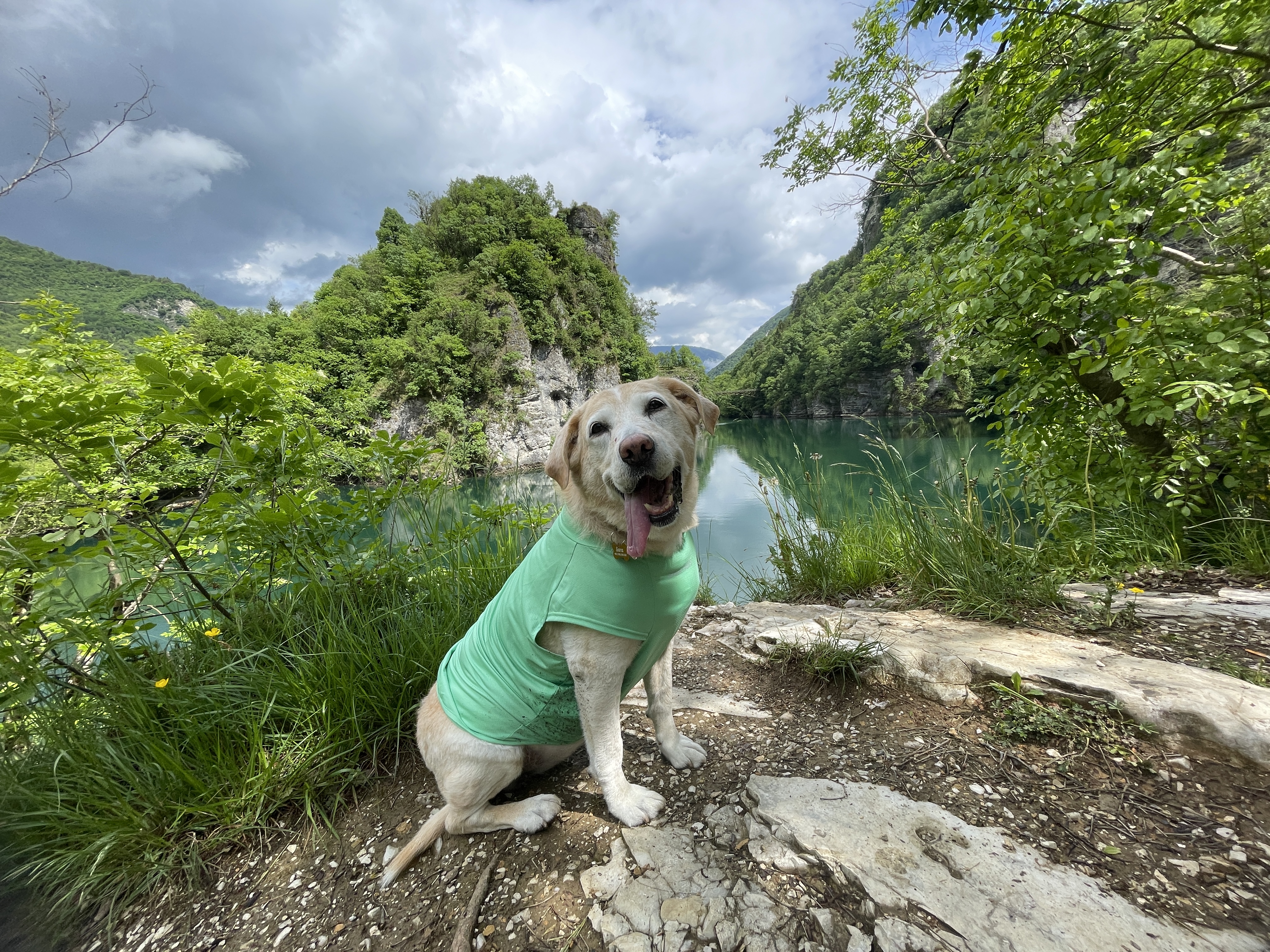
Sara is a Labrador Mix who has travelled and explored Europe with me for most of her life, through border crossings, lakes, mountains, and countless adventures. Her calm nature, gentle spirit, and quiet resilience have shaped not just this website, but how I understand what it truly means to care for a dog through chronic illness.
When Sara was diagnosed, I didn't even know the word Cushing's existed. I had no frame of reference for what it meant, what caused it, or what signs I should have recognised. All I knew was that something in my girl had quietly changed - long before the classic textbook symptoms ever appeared.
Her journey with Cushing's wasn't simple. We missed early signs. We faced a medical crisis we didn't see coming. We navigated limited information, fragmented research, and decisions no dog family should ever have to make without guidance.
This section shares her full story - from the subtle beginnings to the turning point that nearly cost her life, the long road of Cushing's treatment, management, related conditions, and recovery. It's the story that built this entire platform.
Because if even one dog owner recognises something sooner than I did, then everything we went through has meaning.
Read on to follow Sara’s medical timeline and the visible journey her body took alongside it.
Sara's Timeline
First Visible Signs & Gallbladder Diagnosis
October 2024A small swollen area under Sara's eye led to a vet visit. While the eye itself wasn't concerning, the vet noticed Sara's gum color looked off and recommended full bloodwork. Tests revealed high liver enzyme (GGT = 18.2), and ultrasound found significant gallbladder sludge. Treatment with Ursofalk was delayed over a month due to medication unavailability in Romania.
Cushing's Diagnosis
January 2025New blood tests showed that liver levels were slightly better, though this time kidneys' levels were worrying. New ultrasound showed sludge improvement. Further discussions regarding Sara's thin skin, visible blood vessels, round belly and loss of hair, alongside the previous sludge and now kidneys problems made the vet consider Cushing's disease. The 8-hour LDDS test confirmed it.
Treatment Begins
January 15, 2025Started Vetoryl 30mg/day (15mg AM + 15mg PM). Rapid physical decline followed: extreme weakness, needed help standing, total lack of energy, and developed Calcinosis Cutis - losing hair and skin around shoulders, back, and tail. It is then when I started learning about the amount of damage high cortisol had been doing whilst being uncontrolled for so long, and why Sara was getting worse rather than better, despite treatment.
Skin Crisis & Support
January-February 2025For her Calcinosis Cutis, we started weekly medicated baths with DOUXO S3 PYO, daily Baneocin powder for her elbows and back legs open sores and Camrosa Ointment. For her joints I introduced Hyaloral, and for pain CBD oil specific for dogs (we tried Gabapentin but stopped because of the side effects). Dose increased to 40mg/day after cortisol values remained out of range. Knuckling in rear feet raised suspicion of Degenerative Myelopathy. Added Vitamin B12, fish oil (later Omega 3), and collagen powder.
Slow Recovery
March 2025Gradual improvements noticed: less knuckling, reduced water intake, skin healing. Still had trouble sleeping with lots of repositioning and panting at night. Needed help getting up frequently.
Neurological Event
April 3, 2025After a night of elevated heart rate and extreme restlessness, Sara was taken to the vet first thing the next morning, where she experienced a sudden stroke-like neurological event - head tilt, disoriented eye movement, inability to stand or move normally. She received immediate emergency treatment (injections, IV fluids) and was hospitalized for three consecutive days. She made a positive neurological recovery. A full cardiac exam and lung X-rays were performed to assess possible causes. Both her heart and lungs were within normal limits for her age, ruling out cardiac or respiratory involvement. An MRI was considered, but not pursued due to the high anaesthesia risk associated with her age and Cushing's disease.
Stable Months
April – September 2025Mostly stable months with only two minor vet visits - one for an anal gland infection and one for an ear infection (which later became recurrent). Sara travelled through Europe, walked 3× daily (20–30 minutes each), and kept a stable weight of ~32.5 kg. She rebuilt muscle mass, her curiosity returned, and back-leg shaking was rare (only when relaxed, about twice a week, easing with massage). Her main limitation was heat intolerance above 20°C. She remained on Vetoryl 20 mg AM/PM, plus Omega-3, Vitamin B12, collagen, glucosamine, and occasional CBD oil.
Acute Decline
September 20255 September: A cortisol test came back low (27.85nmol/l, normal range 50-250nmol/l), so her Vetoryl dose was adjusted and later temporarily stopped for three days. 25–27 September: Sara developed severe vomiting. She was treated overnight at the vet with fluids, but her condition worsened over the following 24h - shaking and foaming at the mouth - so she was taken to emergency care. Blood tests and an ultrasound showed severe liver failure caused by a gallbladder mucocele. The situation was critical, and the vets discussed two options: risky gallbladder removal surgery or euthanasia. My own further research identified a medical approach using Ursodeoxycholic acid (Ursofalk), antibiotics, and Denamarin (SAM-e). This treatment was started immediately and led to her recovery (gallbladder was not removed, mucocele remains present, Ursodiol remains as life-long treatment alongside Trilostane and SAM-e) - clinical signs are still positive.
Stabilisation & Rebuilding
Early December13 weeks after her liver crisis, Sara continues to beat the odds. Her gallbladder mucocele is stable, and her bile acids are back to normal. Remarkably, her ~4cm adrenal tumor even appears slightly smaller on her latest ultrasound. Supportive meds like Ursofalk and SAM-e are now for life, alongside her Trilostane. The Balancing Act: The Pause: We stopped Trilostane for 25 days to prioritise liver recovery. This delay proved how quickly uncontrolled cortisol acts, causing rapid muscle loss, the return of the "pot belly," hair loss, and increased panting. The Restart: We restarted conservatively at 10mg BID (twice daily) to avoid an Addisonian crash. Current Dose: Based on symptoms and her latest ACTH test, she is now at 13mg BID - currently her "sweet spot" for stability. The Outcome: Despite the "havoc" of high cortisol, a gallbladder mucocele, and a sensitive pancreas, Sara is thriving: eating well, exploring, and rolling in the grass. To her vets, her survival is a medical miracle. To me, every day is a gift I didn't think I'd still have.
Pancreatitis Flare
23rd December 2025A routine check-up revealed a significant pancreatitis flare (cPL 848.5, up from cPL 636 less than one month before) and hypertension (175-210 mmHg). We have introduced Lypex enzymes and started a conservative dose of Cardalis for blood pressure. Despite these clinical findings, Sara remains clinically asymptomatic - the ultimate 'War Machine' - still rolling in the grass and enjoying her meals. Together with our vet, we are doing our best to keep her stable until the Surgeon visit coming up on January 7th.
What Sara Taught Us
Regular Ultrasounds Will Be Life-Saving
If a dog has gallbladder sludge - even if they seem stable - regular ultrasound checks are crucial. Sludge may stay the same for months, it may worsen, or it may not be connected to future problems at all. However, ultrasounds also reveal new changes that weren't there before.
In Sara's case, sludge was seen and treated earlier in the year. Months later, without any symptoms to warn us, she developed a gallbladder mucocele that caused severe liver failure.
If we had repeated the ultrasound sooner, the mucocele would almost certainly have been found earlier - before she reached a life-or-death emergency on 27 September.
Earlier imaging doesn't guarantee prevention, but it gives a dog the best possible chance - and in Sara's situation, it could have changed the entire outcome.
The Early Warning Signs I Easily Dismissed
Sara's incomplete seasonal shedding, alongside shorter walks and more avid hunger were the earliest warning signs - appearing months before the classic symptoms. These seemingly minor changes were actually an 8-month early warning that could have led to earlier intervention. The final key that led to Cushing's diagnosis was visible tummy hair loss.
Recovery Takes Time
Sara's recovery wasn't linear. There were setbacks. But with consistent medication, supportive care, and gentle daily activity, she regained her strength and quality of life over several months.
Current Daily Medication
- • 06:30 AM – SAM-e: Liver support (given 1 hour before food).
- • 07:45 AM – Cardalis: Management of systemic hypertension (blood pressure).
- • 08:00 AM – Lypex & Breakfast: Pancreas support (1 capsule) given with her main meal.
- • 08:10 AM – Trilostane (13mg) & Ursofalk (250mg): Cushing's management and gallbladder support.
- • 01:00 PM – Lypex & Lunch: Given with food + Pure Beef Collagen (joints) & Vitamin B12 (nervous system).
- • 07:00 PM – Lypex & Dinner: Given with food + MSM (joint support).
- • 07:30 PM – Trilostane (13mg) & Ursofalk (250mg): Evening Cushing's and gallbladder dose.
Diet
Changed to Hills I/D Low Fat after the liver failure caused by the gallbladder mucocele crisis.
Activity
3 walks daily, as long or short as she feels like doing. Her main hobby: rolling in the grass, or chilling in muddy waters, if outside is warm enough.
Sara's Visual Journey
From the darkest days to recovery - Sara's transformation in photos.
The Struggle
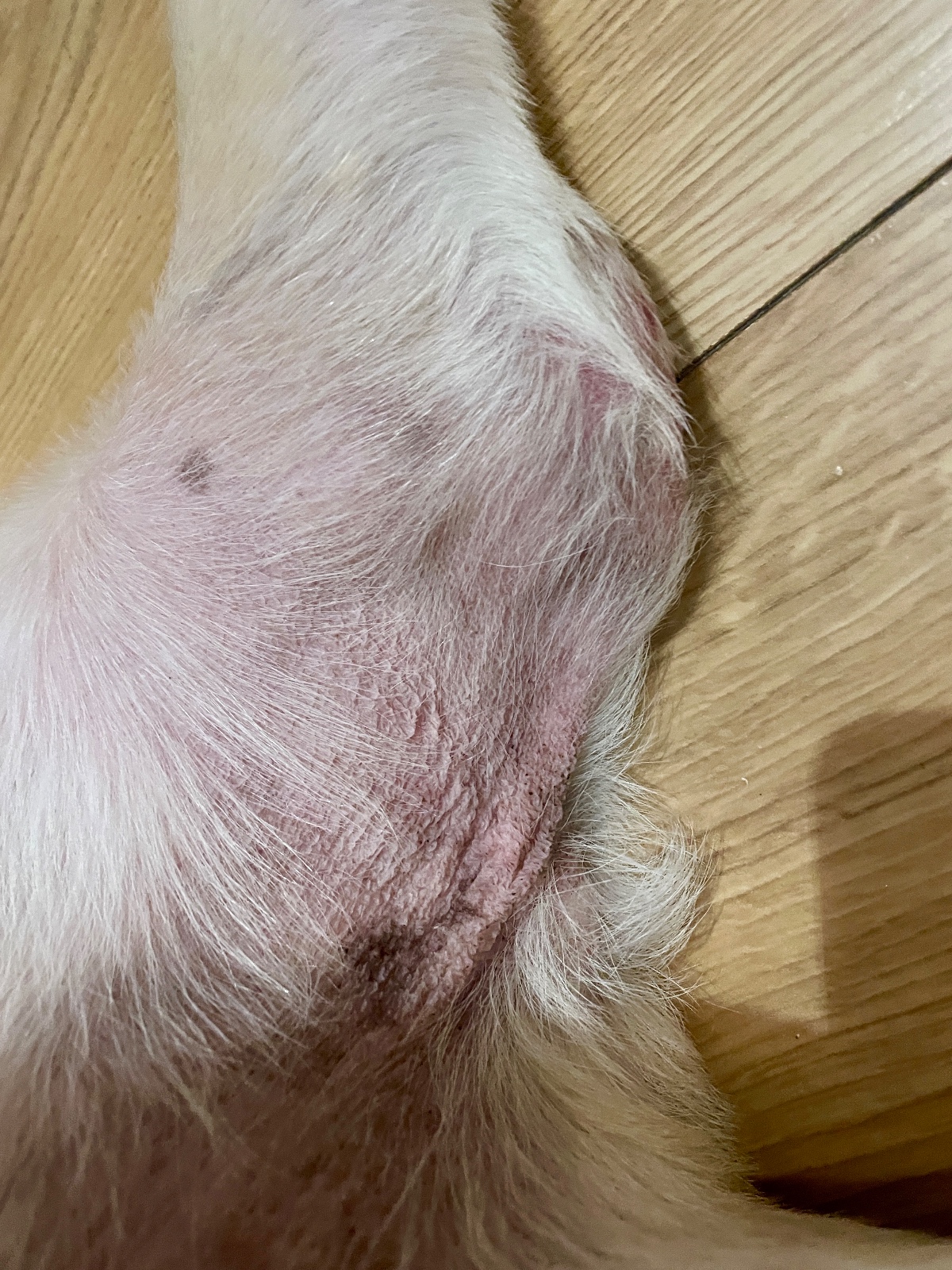
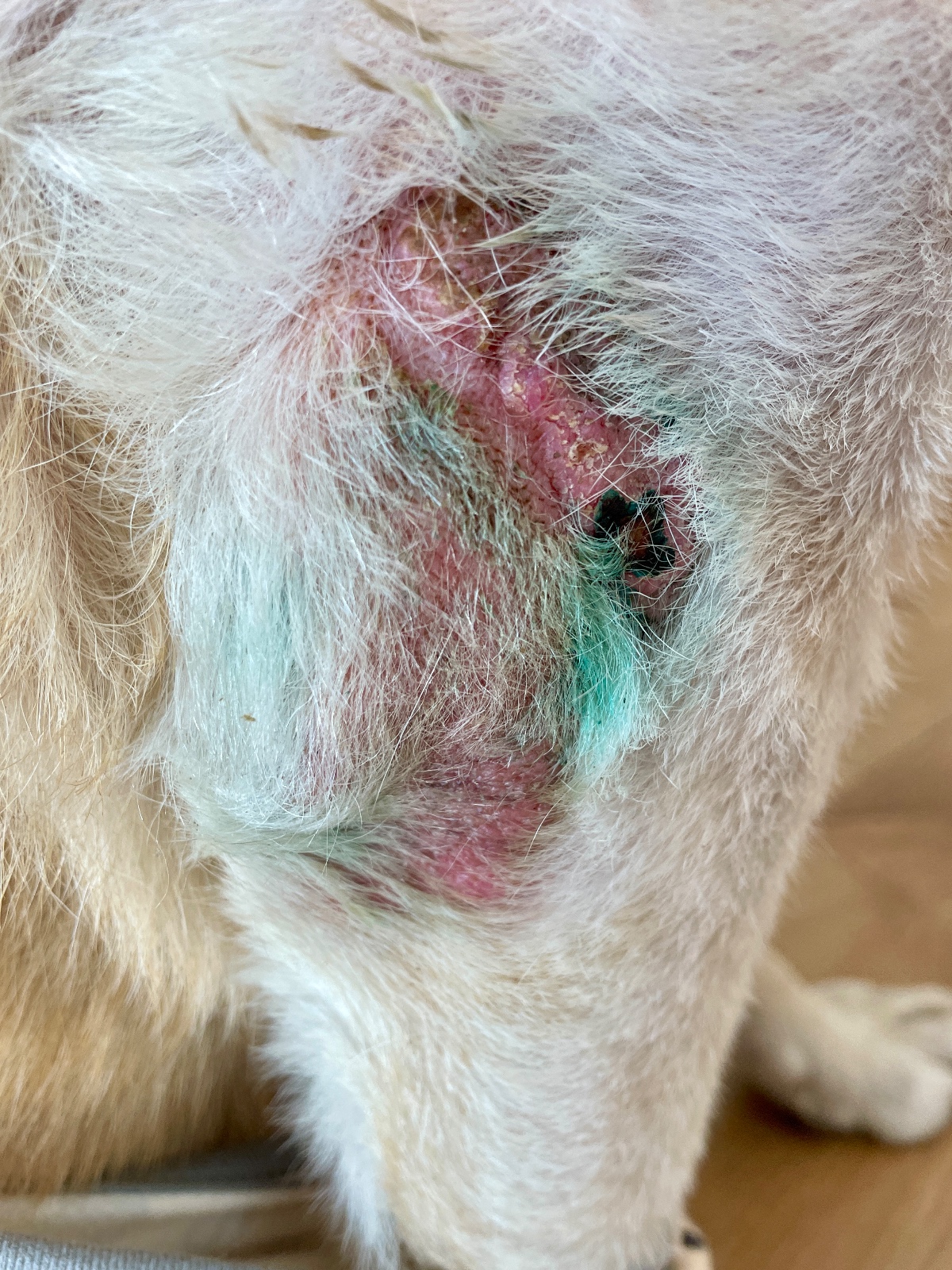
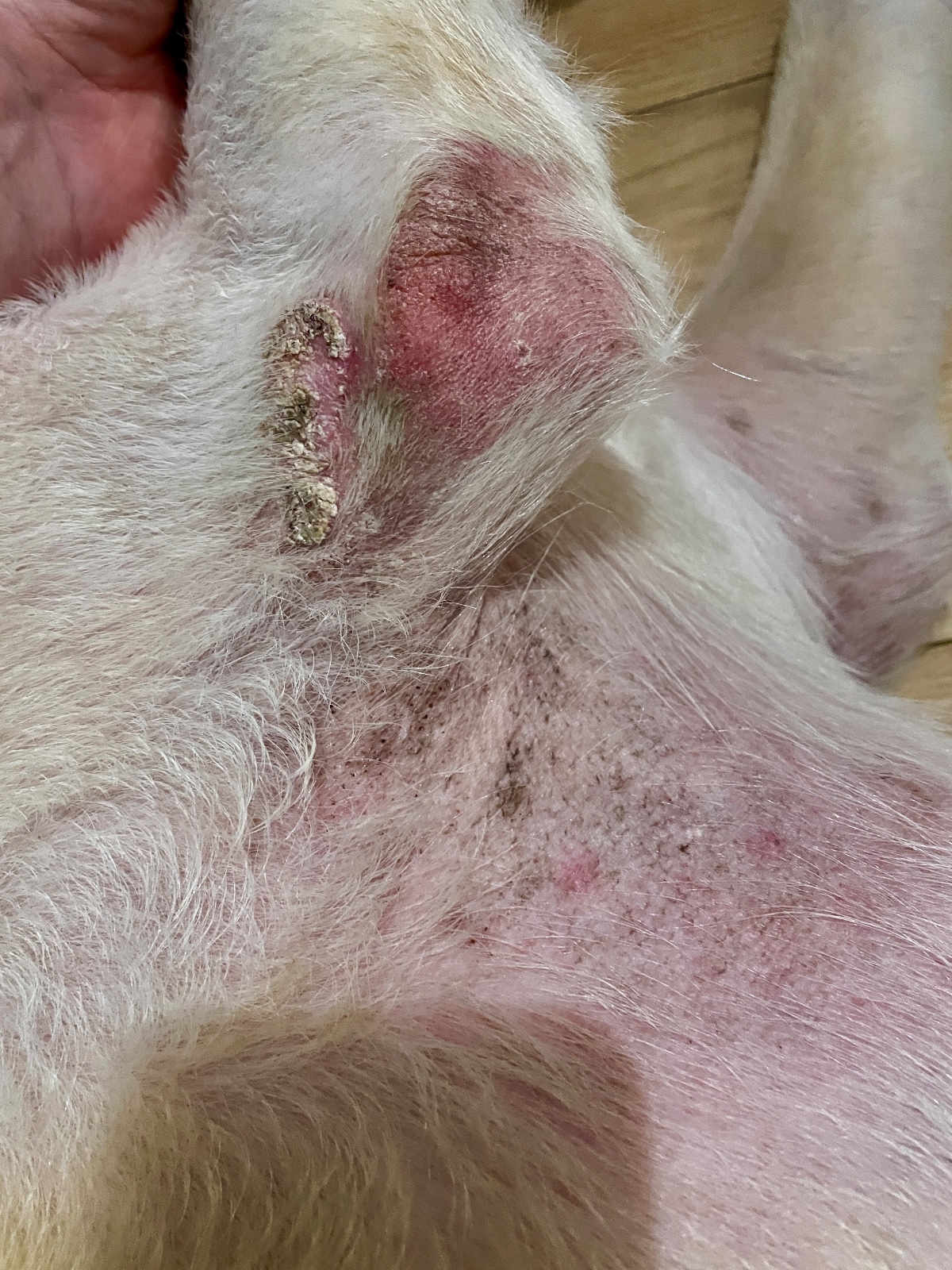
Sara 1 month after diagnosis, struggling with Calcinosis Cutis, severe hair loss & thin, darkening skin.
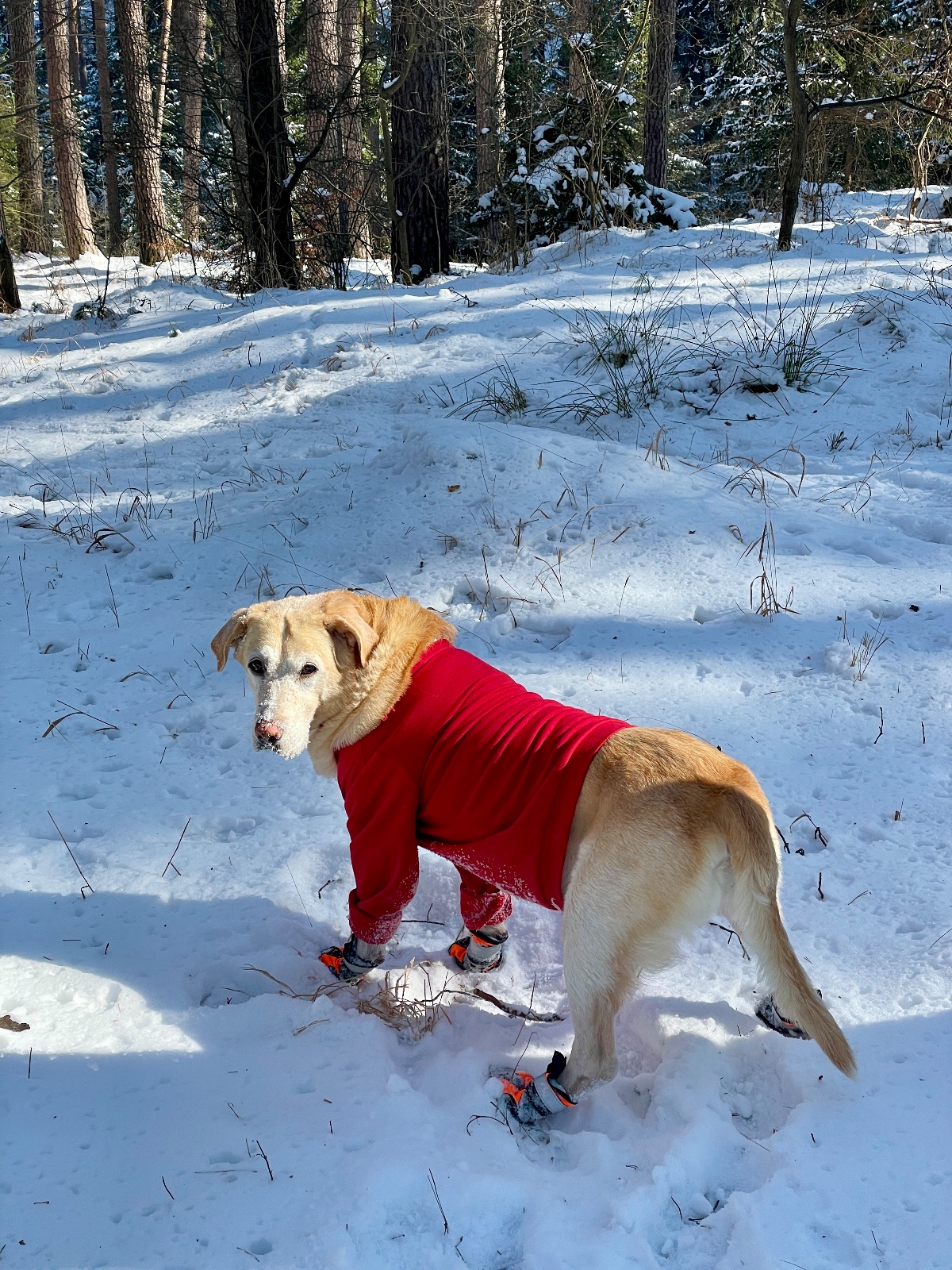
Sara 40 days after diagnosis, with hair loss, very thin skin and calcinosis cutis, hidden under the jumper and shoes.
The Recovery
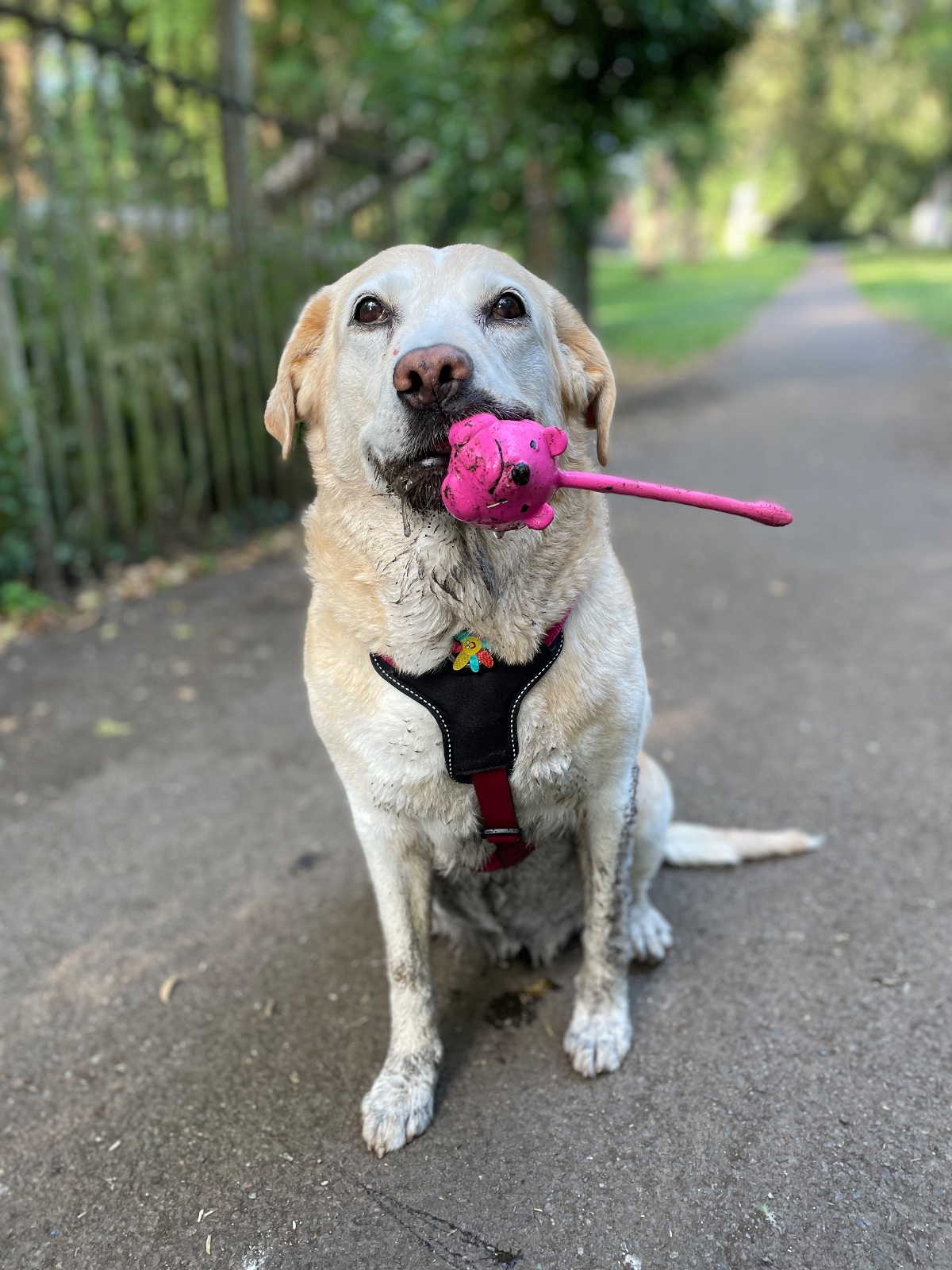
With Cushing's perfectly controlled, full muscles regained, much less pot belly, acting like a healthy, happy, senior lady.
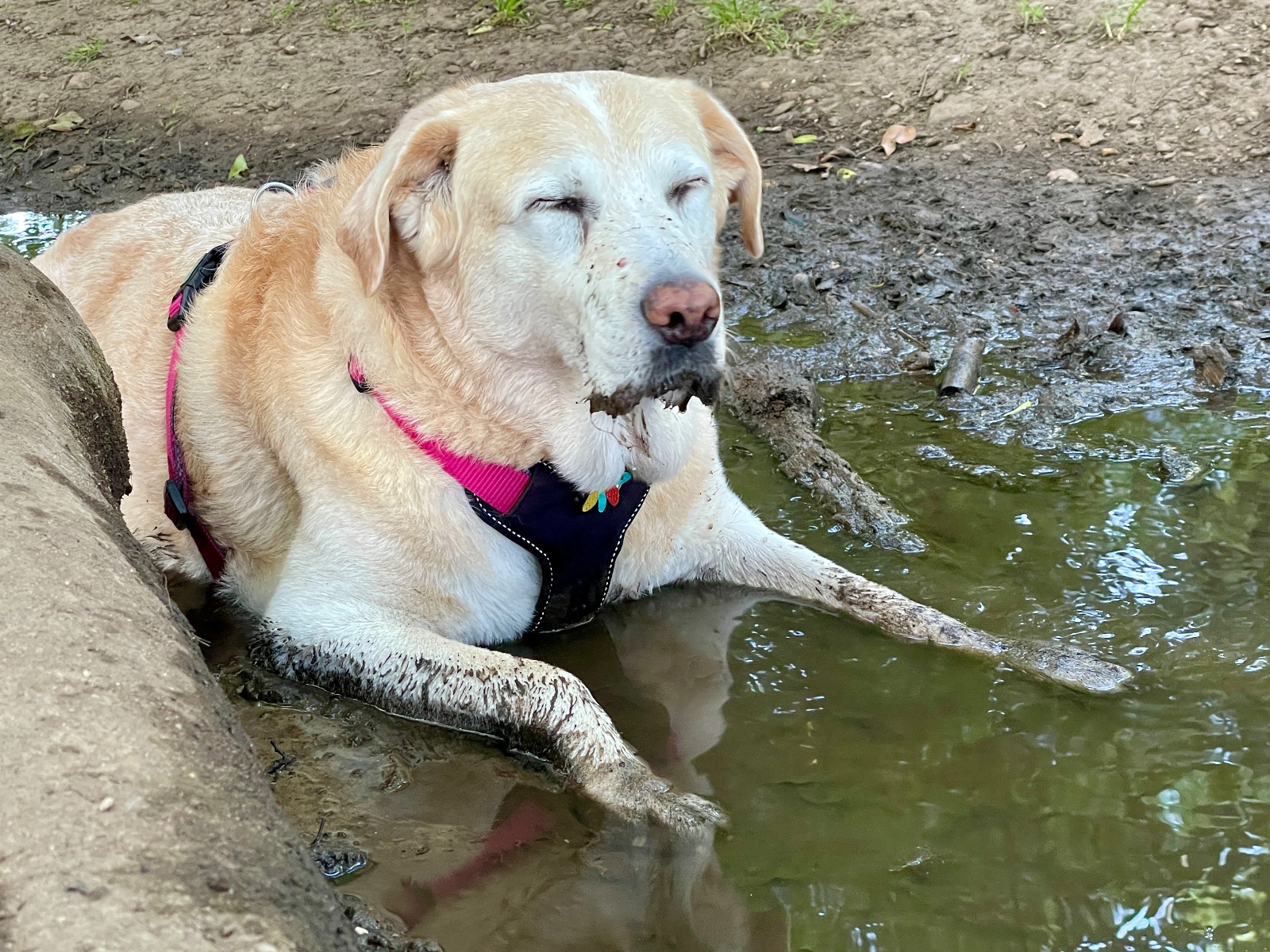
Sara enjoying a 'spa day', 5 months post diagnosis.
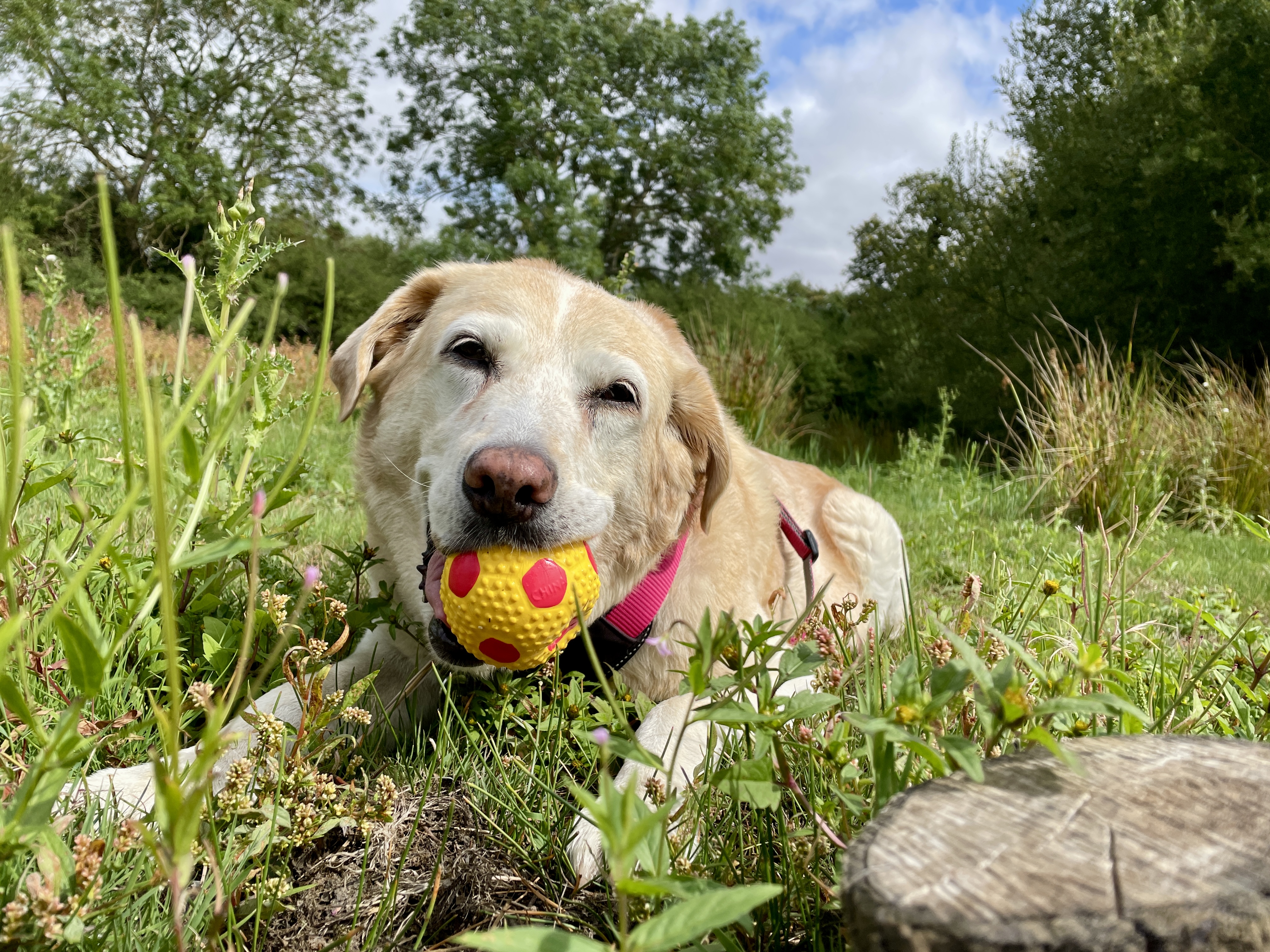
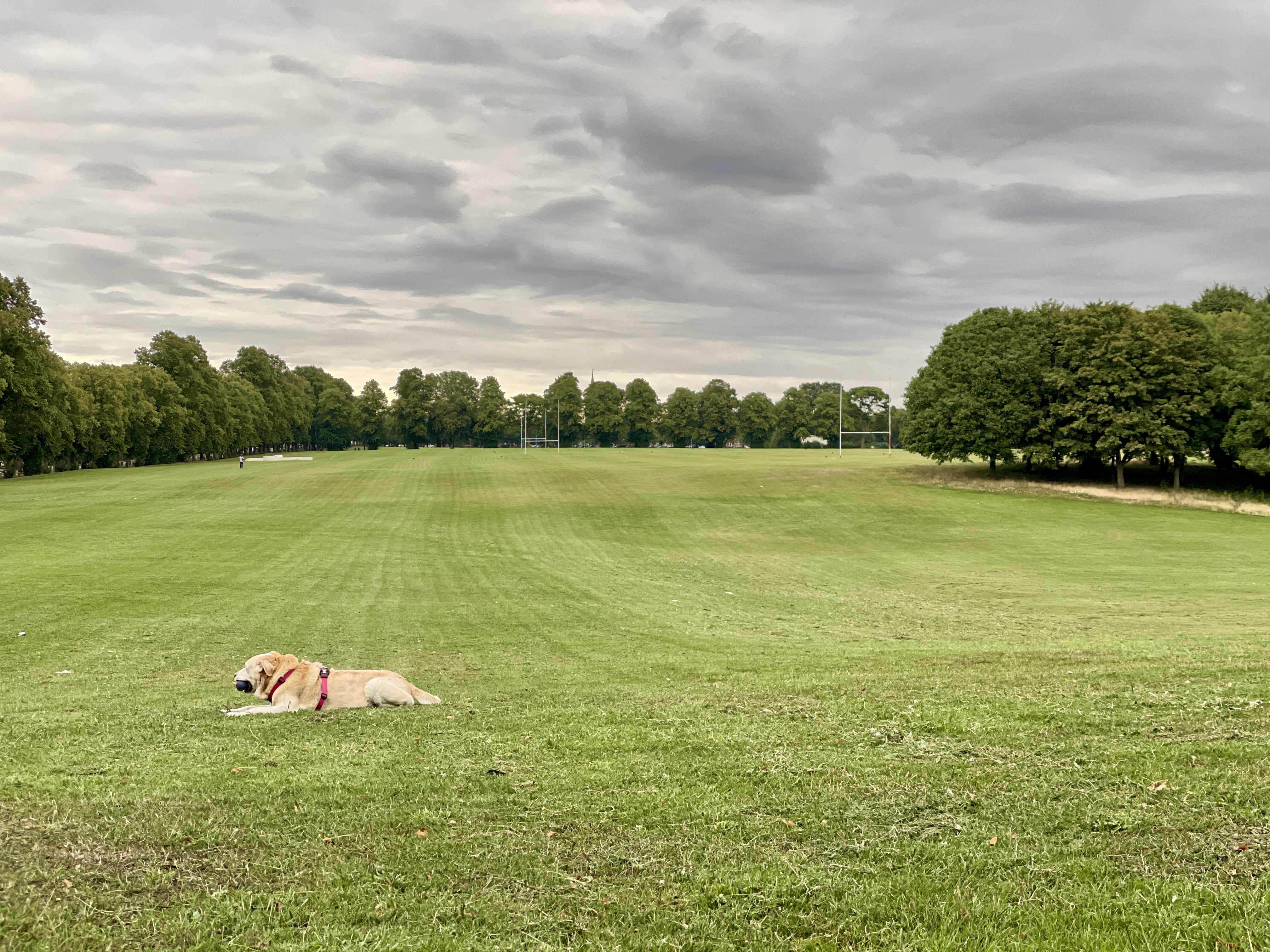
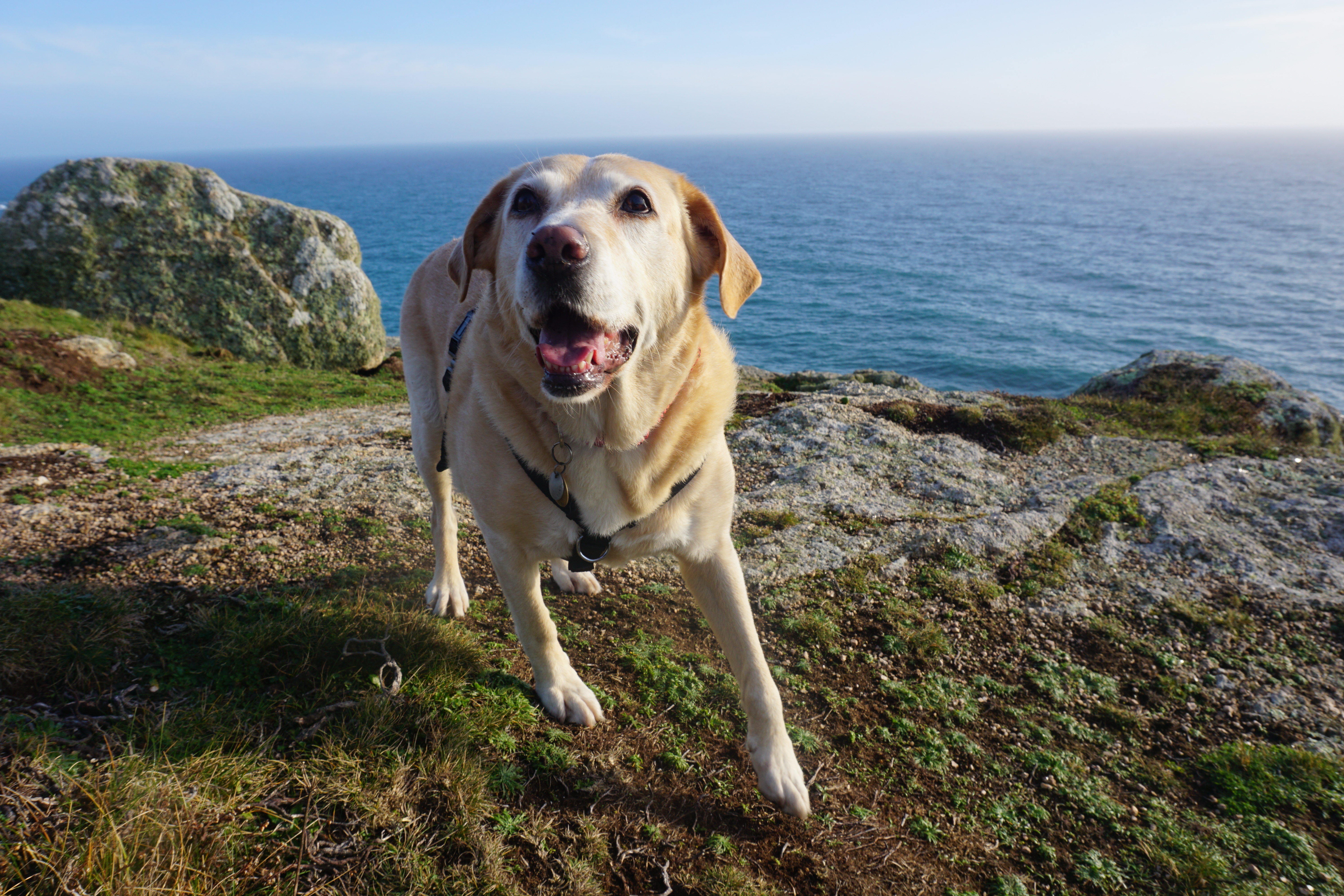
Adventures Continue
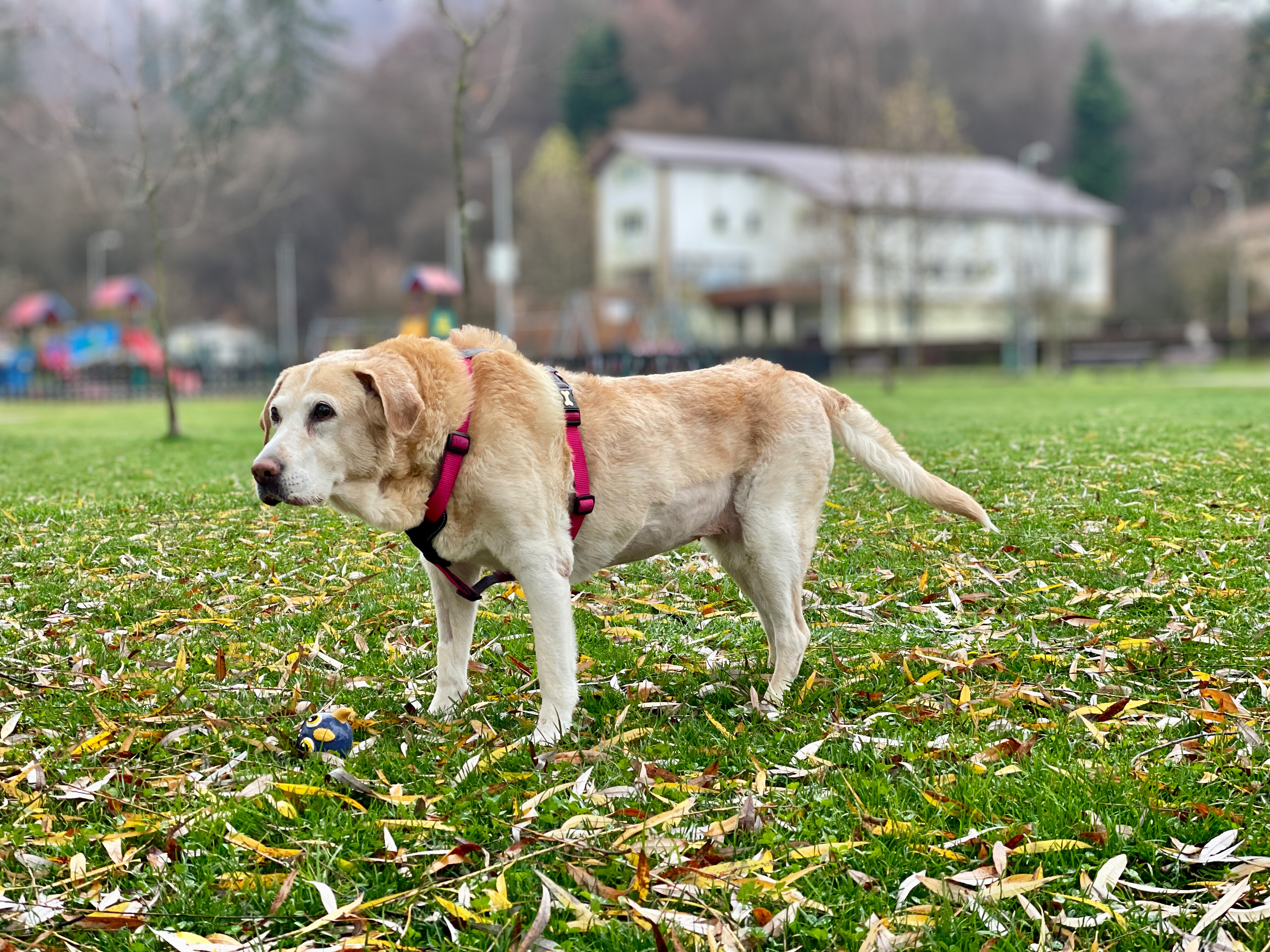
Inspired by Sara's Story?
Learn how to recognize the early signs of Cushing's disease in your own dog, or explore our comprehensive resources to support your journey.